



Filing taxes in the United States can feel overwhelming, especially for first-time filers. Many people face confusion about forms, deadlines, and required documents. This guide simplifies every step to help you file correctly. You will learn how to prepare, organize, and submit your return with confidence.
Tax season becomes easier when you understand how the process works. Clear preparation reduces errors and prevents delays in receiving refunds. With practical strategies, you save time and avoid unnecessary stress. This introduction sets the foundation for a smooth filing experience.
Understanding the U.S. Tax Filing Basics
Filing taxes begins with understanding your responsibilities as a taxpayer. The IRS requires individuals to report income, claim deductions, and calculate what they owe or should receive as a refund. Knowing the purpose of each form helps reduce mistakes. This foundation supports every step that follows.
The most common filing form is the 1040, used by most American taxpayers. Your income type determines which additional schedules you may need. Employees typically receive a W-2, while freelancers receive 1099s. Reviewing these documents carefully ensures accurate reporting.
Deadlines play a crucial role in avoiding penalties. Most taxpayers must file by April 15 each year unless an extension is requested. Submitting early helps prevent delays and protects you from missing important updates. Staying aware of key dates builds strong financial habits.
Preparing Your Documents for a Successful Filing
Organizing documents before filing taxes ensures accuracy and efficiency. Gather W-2s, 1099s, bank statements, receipts, and records of deductible expenses. Keeping these items in one place prevents errors and saves time. Proper preparation creates a smoother filing process.
Reviewing income documents helps identify all sources of earnings. Missing even one form can lead to IRS notices later. Use a checklist to confirm everything is included. This simple step protects you from filing an incomplete return.
Expense records are equally important for taxpayers who claim deductions or credits. Items such as education costs, medical bills, and charitable contributions require proof. Digital folders make organization easier throughout the year. Strong documentation maximizes your potential refund.
Filing Your Return Step by Step

Submitting your taxes can be done electronically or by mail, with e-filing being the fastest and most common option. Tax software guides you through questions that automatically complete the correct forms. This reduces human error and speeds up processing. E-filing also provides instant confirmation.
Real examples include using online platforms like TurboTax, H&R Block, or Free File for qualifying taxpayers. These tools explain deductions, credits, and income categories in simple language. They also calculate your refund automatically. Many Americans rely on them for quick and accurate filings.
Common Mistakes to Avoid During Tax Season
A frequent mistake is forgetting to report all income sources. Even small payments from freelance work require documentation. Missing forms can lead to corrections and penalties later. Careful review prevents unnecessary issues and protects your refund.
Another common error is claiming deductions without proper proof. The IRS may request verification for certain expenses. Keeping receipts and organized records avoids complications. Good documentation supports your claims.
Some taxpayers rush through the process and cause avoidable errors. Double-checking names, Social Security numbers, and bank details ensures accuracy. Taking a few extra minutes prevents delays and improves filing success.
Opportunities and Next Steps After Filing
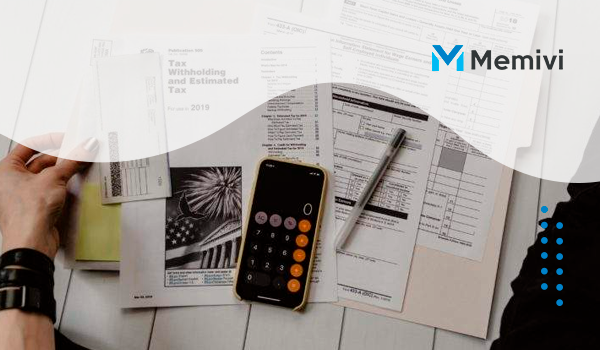
After submitting your taxes, take time to review opportunities to strengthen future filings. Adjusting your W-4 can help reduce surprises next year. Tracking deductible expenses throughout the year also simplifies future returns. These small habits improve long-term success.
You can also explore tax-saving opportunities like retirement contributions or education credits. Staying informed about IRS updates ensures you benefit from available advantages. Planning ahead makes tax season smoother every year.
Conclusion
Filing taxes in the United States becomes manageable when you follow a clear process. With the right preparation, organization, and tools, you reduce stress and increase accuracy. Each step builds confidence for future tax seasons. Consistency leads to long-term financial stability.
Did you find this guide helpful? Share it with someone preparing for tax season. Your support helps others stay informed and confident. Explore our blog for more practical financial guidance and tax-related insights.

 The New Generation’s Relationship With Debt and Modern Financial Decisions <p class='sec-title' style='line-height: normal; font-weight: normal;font-size: 16px !important; text-align: left;margin-top: 8px;margin-bottom: 0px !important;'> Changing economic conditions, education costs, and financial awareness are shaping how young adults manage debt. </p>
  How Financial Education Is Moving Outside Traditional Schools and Classrooms Today <p class='sec-title' style='line-height: normal; font-weight: normal;font-size: 16px !important; text-align: left;margin-top: 8px;margin-bottom: 0px !important;'> New digital platforms, communities, and online resources are transforming how people learn practical money management. </p>
  The Role of Trust in Modern Financial Systems and Global Economic Stability <p class='sec-title' style='line-height: normal; font-weight: normal;font-size: 16px !important; text-align: left;margin-top: 8px;margin-bottom: 0px !important;'> Understanding how trust supports financial stability helps people better navigate banking, credit, and investment decisions. </p>