


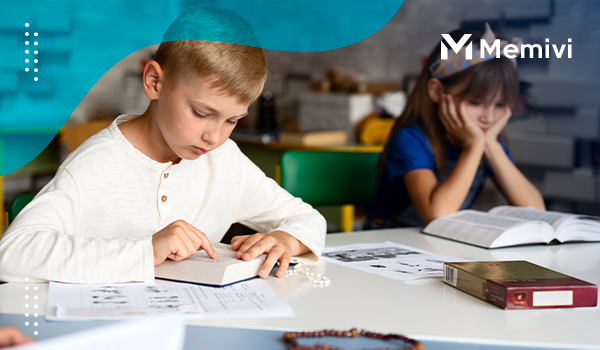
Teaching kids about money is one of the most valuable life skills parents can offer. Money lessons do not need to be complex or formal to be effective. Simple, consistent guidance adapted to each age makes learning natural and practical.
Start With Basic Money Concepts Early
Children should first understand what money is and how it is used in daily life. Explaining earning, spending, and saving with simple examples creates a strong foundation.
Using cash or visual tools helps kids see money as something tangible. This makes abstract concepts easier to understand and remember.
Early exposure reduces confusion and builds familiarity before financial decisions become more serious. Small lessons early create big long-term impact.
Teach the Value of Earning Money
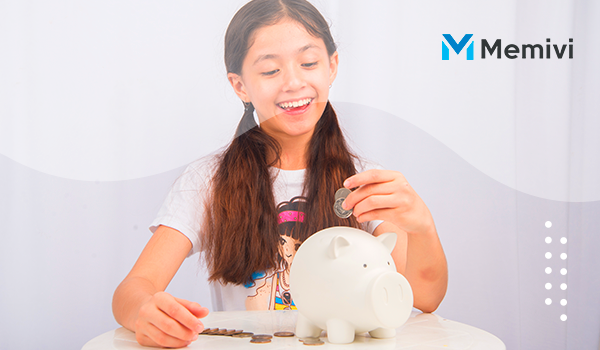
Kids learn responsibility when they understand that money is earned through effort. Age-appropriate chores or small tasks can help illustrate this connection.
Paying for extra tasks beyond regular responsibilities teaches that work leads to rewards. This reinforces the idea that money is not unlimited.
Earning builds appreciation and reduces entitlement. It helps children respect both their own money and others’ efforts.
Introduce Saving and Goal Setting
Teaching kids to save encourages patience and planning. Simple goals, like saving for a toy, make the concept concrete and motivating.
Using jars or envelopes labeled save, spend, and share creates structure. This method visually reinforces smart money allocation.
Goal-based saving teaches delayed gratification. This skill is essential for future financial stability and decision-making.
Explain Spending Choices and Trade-Offs
Kids should learn that every purchase involves a choice. Spending money on one thing means not using it for something else.
Letting children make small spending decisions helps them learn from experience. Mistakes at a young age are valuable learning tools.
Discussing purchases openly builds critical thinking. This encourages thoughtful decisions instead of impulsive behavior.
Lead by Example at Home

Children learn more from what parents do than from what they say. Demonstrating budgeting, saving, and thoughtful spending reinforces lessons naturally.
Talking openly about money decisions removes secrecy and fear. Transparency builds trust and understanding.
Positive financial habits at home create a strong learning environment. Consistency between words and actions is essential.
Conclusion
Teaching kids about money the right way prepares them for real-world responsibility and independence. Early, practical lessons build confidence and healthy habits over time.
By keeping learning simple, consistent, and age-appropriate, parents create lasting impact. Did you find this helpful? Share it with others and explore more family-focused financial guidance here.

 How to Protect Your Finances Against Inflation in 2025 <p class='sec-title' style='line-height: normal; font-weight: normal;font-size: 16px !important; text-align: left;margin-top: 8px;margin-bottom: 0px !important;'> In 2025, rising costs continue to affect housing, food, transportation, and long-term financial plans for many Americans. </p>
  Best Ways to Build Good Credit as a Young Adult <p class='sec-title' style='line-height: normal; font-weight: normal;font-size: 16px !important; text-align: left;margin-top: 8px;margin-bottom: 0px !important;'> Building good credit as a young adult is one of the most important financial steps you can take early in life. </p>
  How to Avoid Lifestyle Inflation and Build Wealth Faster <p class='sec-title' style='line-height: normal; font-weight: normal;font-size: 16px !important; text-align: left;margin-top: 8px;margin-bottom: 0px !important;'> Lifestyle inflation happens when spending increases alongside income, preventing real financial progress. </p>