



For a growing number of Americans, receiving a paycheck no longer creates relief, freedom, or financial progress. Instead, many people experience a constant feeling that their money is already gone before it even reaches their bank account. Rent, mortgages, credit card bills, student loans, car payments, subscriptions, insurance, and financing plans consume income so quickly that salaries increasingly feel like temporary transfers between employers and financial obligations rather than tools for building stability or improving life.
What makes this situation especially exhausting is that it often develops gradually. A few monthly payments initially appear manageable, small financing plans feel harmless, and recurring subscriptions seem insignificant individually. However, over time, these obligations accumulate silently until future income becomes almost entirely preassigned to responsibilities created months or years earlier. As this pattern expands across modern America, millions of people are discovering that financial stress no longer comes only from emergencies or low income, but from living inside systems where every paycheck already feels financially owned before it arrives.
Recurring Payments Quietly Took Control Of Income
One of the biggest financial changes in modern life is the explosion of recurring payments attached to everyday living. Housing, transportation, healthcare, entertainment, technology, insurance, subscriptions, and digital services increasingly operate through automatic monthly billing systems that continuously withdraw money from future income.
At first, most of these obligations appear affordable individually. A streaming service seems inexpensive, a financed phone feels manageable, and monthly installment plans often look small enough not to create concern. However, when dozens of recurring payments exist simultaneously, large portions of income become permanently committed.
Over time, many Americans realize they are no longer deciding freely how to use their money each month because most of their income already has predetermined destinations before they even receive it.
Debt Became A Permanent Extension Of Everyday Life
Another major reason paychecks feel trapped in the past is because debt itself became deeply integrated into ordinary adulthood. Student loans, mortgages, credit cards, auto financing, medical bills, and buy-now-pay-later plans follow millions of Americans through nearly every stage of life.
Instead of borrowing occasionally, many people now maintain continuous financial obligations for years or even decades without experiencing periods of true financial freedom between them. Even when one debt is paid off, another often replaces it almost immediately.
This creates emotional exhaustion because many individuals feel like they are permanently working to support past decisions rather than building future opportunities or financial security for themselves.
The Cost Of Living Reduced Financial Flexibility
Rising living expenses also intensified this problem dramatically. Housing, groceries, healthcare, childcare, transportation, and basic necessities now consume much larger portions of household income than they did for previous generations.
As costs continue increasing, even stable incomes often fail to create meaningful financial breathing room. Many Americans are forced to allocate nearly every paycheck toward maintaining existing obligations and covering basic survival expenses with little left for savings or flexibility.
This creates psychological pressure because financial stability begins feeling fragile. A single emergency, income interruption, or unexpected expense can quickly destabilize households already operating with almost no remaining margin after recurring obligations are paid.
Digital Spending Made Financial Commitments Invisible
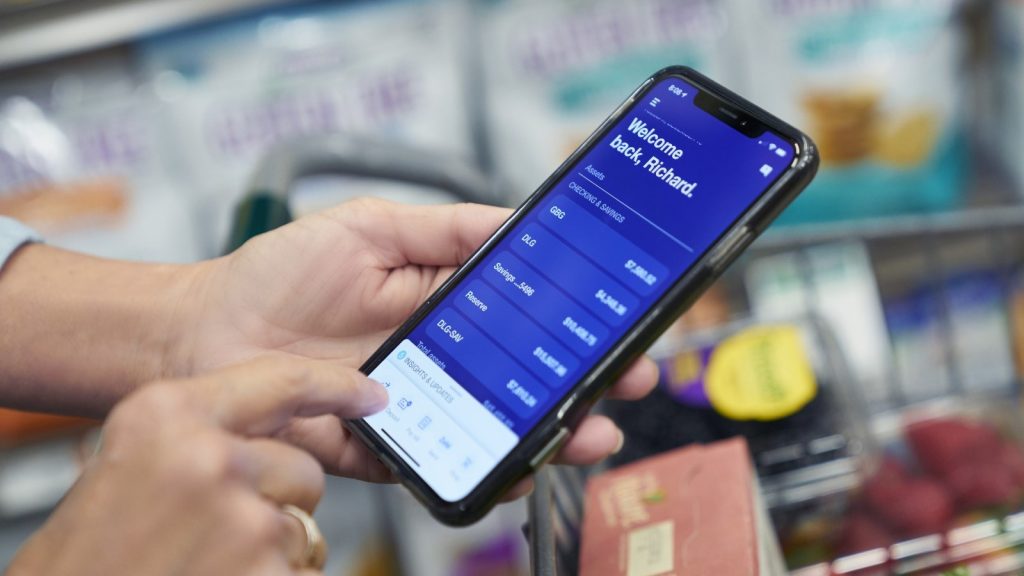
Technology also contributed heavily to this reality by making financial commitments feel emotionally invisible. Automatic payments, stored credit card information, mobile banking, and digital financing systems removed much of the awareness people once had around spending and recurring obligations.
Today, consumers often approve subscriptions, installment plans, or financing agreements within seconds without fully processing how much future income is being committed over time. Because payments happen automatically later, the emotional impact of those decisions feels delayed and less urgent initially.
Over time, however, these invisible commitments accumulate quietly in the background until people begin feeling emotionally overwhelmed by the realization that most of their future income is already spoken for before it arrives.
Financial Pressure Became Emotionally Exhausting
One of the most damaging aspects of this paycheck-to-obligation cycle is the emotional fatigue it creates. Many Americans no longer feel motivated or hopeful when earning more money because additional income often disappears immediately into existing bills, debt, or rising costs.
This creates a painful psychological contradiction where people work harder, longer, and more continuously while still feeling financially stuck. Instead of experiencing progress, many individuals feel trapped inside permanent maintenance mode simply trying to keep up with recurring obligations.
As this pressure continues year after year, financial stress increasingly affects mental health, relationships, motivation, and overall quality of life because money stops feeling connected to freedom and starts feeling connected only to survival.
Americans Are Beginning To Rethink Financial Freedom
As financial exhaustion continues spreading, more Americans are beginning to question whether modern financial systems are truly designed around long-term stability or around permanent dependence on recurring obligations and future income.
Increasingly, people are recognizing that true financial freedom may depend less on earning endlessly more money and more on reducing fixed obligations, limiting unnecessary financing, avoiding lifestyle inflation, and rebuilding flexibility into everyday financial life.
In the years ahead, many Americans may continue redefining success away from highly financed lifestyles and toward simpler, more sustainable ways of living that allow income to support future growth instead of constantly paying for the financial weight of the past.

 Why Paying Later Is Quietly Becoming America’s Most Addictive Habit <p class='sec-title' style='line-height: normal; font-weight: normal;font-size: 16px !important; text-align: left;margin-top: 8px;margin-bottom: 0px !important;'> Buy now pay later culture is reshaping spending behavior and creating long-term financial pressure for millions of Americans. </p>
  The Financial Exhaustion Of Constantly Owing Something To Someone <p class='sec-title' style='line-height: normal; font-weight: normal;font-size: 16px !important; text-align: left;margin-top: 8px;margin-bottom: 0px !important;'> Permanent debt, recurring payments, and financial obligations are creating emotional exhaustion for millions of Americans. </p>
  How Borrowing Money Became Emotionally Normal In Modern America <p class='sec-title' style='line-height: normal; font-weight: normal;font-size: 16px !important; text-align: left;margin-top: 8px;margin-bottom: 0px !important;'> Borrowing money became emotionally normal as debt, social media and easy credit reshaped modern American life. </p>