


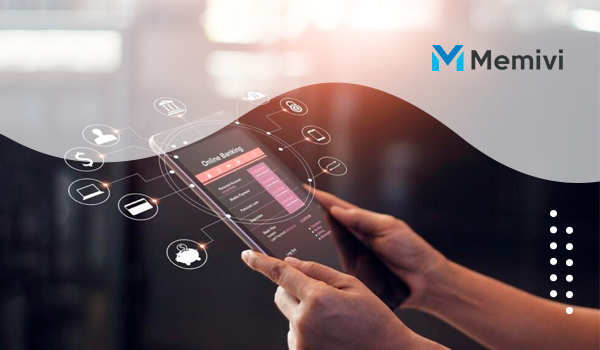
Digital wallets have become a preferred payment method for millions of Americans because they offer speed, convenience, and enhanced security. With just a smartphone or smartwatch, consumers can pay for groceries, transportation, online shopping, and countless other purchases without carrying physical cash or cards.
While this technology provides many advantages, using only digital wallets can also influence spending habits, budgeting, and overall financial decision-making. Understanding these hidden financial effects helps consumers enjoy the convenience of digital payments without compromising their long-term financial health.
Why Digital Wallets Are Growing In Popularity
The widespread adoption of contactless payment technology has made digital wallets easier to use than ever before. Major retailers, restaurants, and service providers now accept mobile payments, allowing consumers to complete transactions in seconds.
Many digital wallets also include additional security features such as tokenization, biometric authentication, and real-time transaction notifications. These tools help reduce fraud risks compared to carrying physical payment cards.
The convenience of storing multiple payment methods in one mobile device has further accelerated consumer adoption across the United States.
Spending Can Feel Less Tangible
One of the hidden effects of using only digital wallets is that spending often feels less noticeable. Since no physical cash changes hands and cards remain out of sight, purchases may seem less significant psychologically.
This reduced awareness can lead to more frequent impulse purchases, especially for small everyday expenses that accumulate over time. Coffee, food delivery, subscriptions, and convenience purchases may have a larger impact on the monthly budget than consumers realize.
Regularly reviewing transaction history helps restore visibility into spending patterns and encourages better financial awareness.
Budgeting May Become More Difficult
Although digital wallets provide detailed transaction records, relying exclusively on them can sometimes make budgeting more challenging. Automatic payments across multiple cards and accounts may reduce visibility into how much money remains available.
Consumers who connect several credit cards to a single wallet may also unintentionally increase borrowing by choosing convenience over careful financial planning.
Using budgeting apps, spending alerts, and monthly account reviews can help households maintain better control over their finances while continuing to enjoy digital payment technology.
Rewards And Security Require Careful Management
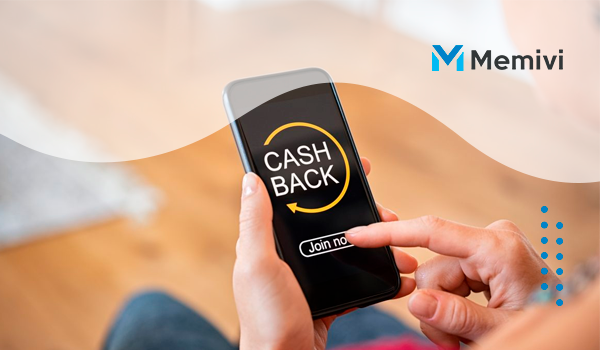
Many digital wallets allow users to earn cashback, travel rewards, or loyalty points by linking eligible credit cards. These benefits can provide meaningful value when balances are paid in full every month.
However, maximizing rewards should never encourage unnecessary spending. Purchasing items simply to earn points often costs far more than the rewards themselves.
Consumers should also keep their devices updated, enable multi-factor authentication, and monitor account activity regularly to protect sensitive financial information.
Finding The Right Balance
Digital wallets are powerful financial tools, but they work best as part of a balanced payment strategy. Some consumers benefit from occasionally using cash or reviewing printed account statements to maintain a stronger connection with their spending habits.
Setting monthly spending limits, enabling real-time purchase notifications, and reviewing account activity each week can prevent small expenses from becoming major financial problems.
Technology should support smart financial decisions rather than replace thoughtful budgeting and disciplined money management.
Conclusion
Digital wallets have made payments faster, safer, and more convenient than ever before. Their continued growth reflects changing consumer preferences and advances in financial technology that simplify everyday transactions.
However, convenience comes with responsibility. By tracking spending carefully, avoiding impulse purchases, and maintaining a realistic budget, consumers can enjoy the benefits of digital wallets while protecting their long-term financial well-being.

 You Make Good Money, So Why Do You Still Feel Broke? <p class='sec-title' style='line-height: normal; font-weight: normal;font-size: 16px !important; text-align: left;margin-top: 8px;margin-bottom: 0px !important;'> Learn how lifestyle inflation, housing, car payments, debt, fixed expenses, and poor cash flow can consume a high income. </p>
  What Should You Do With an Extra $1,000? 5 Smart Financial Moves <p class='sec-title' style='line-height: normal; font-weight: normal;font-size: 16px !important; text-align: left;margin-top: 8px;margin-bottom: 0px !important;'> Explore five smart financial moves involving emergency savings, credit card debt, retirement, investing, and upcoming expenses. </p>
  How Much Emergency Savings Do You Really Need in America Today? <p class='sec-title' style='line-height: normal; font-weight: normal;font-size: 16px !important; text-align: left;margin-top: 8px;margin-bottom: 0px !important;'> Learn how to calculate your emergency fund based on expenses, job stability, housing, healthcare, debt, and financial risks. </p>