



Getting money back every time you use a credit card sounds like an easy financial win. Depending on the card, purchases may earn a flat cash-back rate or different rewards across categories such as groceries, gas, dining, travel, or online shopping. When the card fits your normal spending habits, those rewards can provide real value.
The problem begins when rewards influence how much you spend. A few percentage points of cash back cannot compensate for unnecessary purchases, high interest charges, or annual fees that provide little value. The best way to evaluate a cash-back card is not by asking how much you earned, but whether you would have spent the same amount without the reward.
Cash Back Is a Discount Only When the Purchase Was Already Planned
Suppose your card earns 2% cash back and you use it for $1,000 of purchases you already budgeted for. You could earn $20 in rewards, assuming those purchases qualify and the card’s terms do not change the calculation.
In that situation, the reward provides additional value because your spending did not increase. You needed the groceries, household products, or other purchases regardless of which payment method you used.
Now imagine spending an unnecessary $500 because a promotion offers additional rewards. Even 5% cash back would produce only $25 while you still spent $475 after considering the reward. Cash back should reduce the effective cost of planned purchases, not become a justification for creating new ones.
Credit Card Interest Can Erase Months of Rewards Quickly
Rewards become much less valuable when you regularly carry a balance and pay interest. Credit card APRs can make revolving debt expensive, especially when balances remain unpaid for long periods.
Imagine earning $300 in cash back during the year while paying $900 in credit card interest. Looking only at the rewards dashboard might make the card appear profitable, but your overall relationship with the account cost far more than it returned.
For someone carrying expensive credit card debt, reducing the balance may provide greater financial value than optimizing reward categories. A rewards program should be secondary to controlling borrowing costs and making payments according to the card’s terms.
Higher Reward Rates Can Encourage Higher Spending
Cash-back programs are designed to make particular cards more attractive to consumers. Bonus categories and limited-time promotions can encourage cardholders to choose certain merchants or increase purchases.
A category offering 5% back may sound dramatically better than one offering 1%. But the difference on a $100 purchase is only $4. Spending an extra $40 to capture that additional reward would clearly leave you worse off.
Before responding to a rewards promotion, ignore the percentage temporarily and ask whether you actually need the purchase. If the answer is no, the cheapest transaction is usually the one you never make.
Annual Fees Need to Produce More Value Than They Cost
Some cash-back cards have no annual fee, while others charge one in exchange for higher rewards or additional benefits. A fee-based card can still make financial sense, but the calculation should be based on your actual spending.
Suppose one card charges a $95 annual fee and provides rewards that generate approximately $200 more value for your normal spending than a comparable no-fee alternative. The additional benefits could justify the fee.
If the extra rewards amount to only $60, however, paying $95 for the privilege of earning them would not be attractive based on cash back alone. Review annual fees alongside rewards, credits, and other benefits you genuinely use rather than relying on advertised maximum value.
Bonus Categories Are Useful Only When They Match Your Life
Some cards offer elevated cash back on groceries, gas, restaurants, streaming services, travel, or rotating categories. The best card is not necessarily the one advertising the highest percentage.
A person who rarely drives receives limited value from exceptional gas rewards. Someone who cooks most meals at home may not benefit much from a card designed around restaurant spending.
Review several months of transactions and identify where your money naturally goes. Then compare reward structures with those existing habits. Choosing a card around your spending is usually more effective than changing your spending to fit a card.
Welcome Bonuses Can Be Valuable but Dangerous
Credit card issuers may offer welcome bonuses after a new cardholder spends a specified amount within a certain period. These offers can sometimes provide substantial value when the spending requirement fits expenses you already planned.
For example, someone expecting to purchase airline tickets, pay for an eligible home project, or cover other planned expenses may be able to meet a bonus requirement without increasing total spending. The reward then becomes an additional benefit.
Problems arise when you start buying things solely to reach the requirement. Spending $1,000 unnecessarily to avoid missing a $200 bonus does not produce a $200 gain. Plan how you will meet the requirement before applying rather than improvising purchases afterward.
Multiple Rewards Cards Can Make Your System Too Complicated
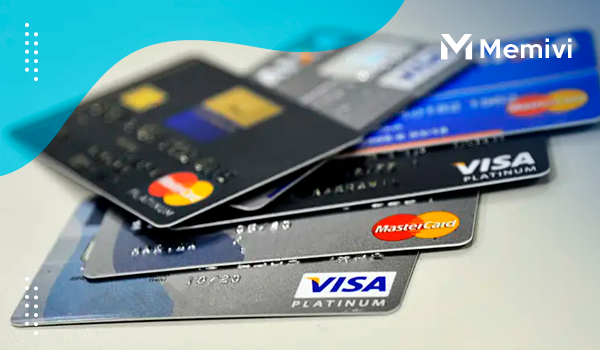
Using different cards for groceries, gas, dining, travel, and online shopping can potentially increase rewards. But every additional card also introduces another account to monitor.
You may have more due dates, statements, annual fees, promotional terms, and reward rules to track. If managing five cards causes a missed payment or unnecessary purchase, the additional cash back may not justify the complexity.
Some consumers are better served by a straightforward flat-rate cash-back card for most purchases. Maximizing every possible reward is less important than maintaining a system you can manage consistently without creating debt or payment mistakes.
Redeeming Rewards Regularly Can Make Their Value More Useful
Earning cash back is only part of the process. You also need to understand how your issuer allows rewards to be redeemed. Options may include statement credits, deposits, checks, gift cards, travel, or purchases, depending on the program.
Review whether redemption options have minimum requirements or different values. A reward that appears impressive in points or another program currency may have a different practical value depending on how it is redeemed.
For straightforward cash-back programs, consider using rewards intentionally rather than mentally treating them as permission for additional shopping. They can support savings, offset planned expenses, or reduce the effective cost of purchases you already made.
Cash Back Can Become Part of Your Savings System
One practical strategy is to redirect cash-back rewards toward a financial goal. Instead of allowing rewards to disappear into ordinary spending, transfer redeemed cash into savings when your card and bank setup allow it.
If you earn $25, $40, or $60 during a month, the amount may not feel significant. Over a year, however, consistently directing rewards toward an emergency fund, travel goal, or other savings target can make the benefit more visible.
The important distinction is that rewards should supplement your normal savings rather than replace them. Earning $500 in annual cash back is useful, but it is not a substitute for regularly setting aside part of your income.
Compare Rewards With the Total Cost of Using the Card
A simple annual review can reveal whether your cash-back strategy is actually working. Start by adding the rewards you redeemed during the year.
Then subtract relevant annual fees, interest charges, and other card-related costs. You should also consider whether reward promotions encouraged purchases you otherwise would not have made, although that amount may be harder to calculate precisely.
If the card consistently produces useful rewards while you avoid unnecessary interest and control spending, it may be providing genuine financial value. If fees and borrowing costs exceed the rewards, the cash-back percentage is distracting you from the larger financial picture.
Make the Rewards Program Work for Your Budget
Cash-back cards can be useful tools for consumers who already manage credit responsibly. When purchases are planned, balances are handled according to the account terms, and fees are justified, rewards can provide extra value with relatively little effort.
But cash back should never determine whether you can afford a purchase. Your budget makes that decision. A 3% reward does not make an unaffordable purchase affordable, and earning points or cash back is not a reason to carry expensive debt.
The best rewards strategy is often surprisingly simple: buy what you already intended to buy, use the card that provides reasonable value, pay attention to your statements, and avoid spending more just to earn rewards. When your behavior stays the same and the card gives something back, cash back can actually save you money.

 Financial Checkup: 10 Money Numbers You Should Know Right Now <p class='sec-title' style='line-height: normal; font-weight: normal;font-size: 16px !important; text-align: left;margin-top: 8px;margin-bottom: 0px !important;'> Review 10 essential financial numbers, including income, spending, emergency savings, debt, credit, retirement, savings rate, and net worth. </p>
  Should You Take Higher Pay With Worse Benefits? Compare First <p class='sec-title' style='line-height: normal; font-weight: normal;font-size: 16px !important; text-align: left;margin-top: 8px;margin-bottom: 0px !important;'> Should you take a higher-paying job with worse benefits? Learn how to compare salary, health insurance and total compensation. </p>
  Are You Saving Too Much Cash? When the Bank Holds You Back <p class='sec-title' style='line-height: normal; font-weight: normal;font-size: 16px !important; text-align: left;margin-top: 8px;margin-bottom: 0px !important;'> Learn how to balance emergency savings, short-term goals, debt repayment, inflation risk, and long-term investing. </p>