


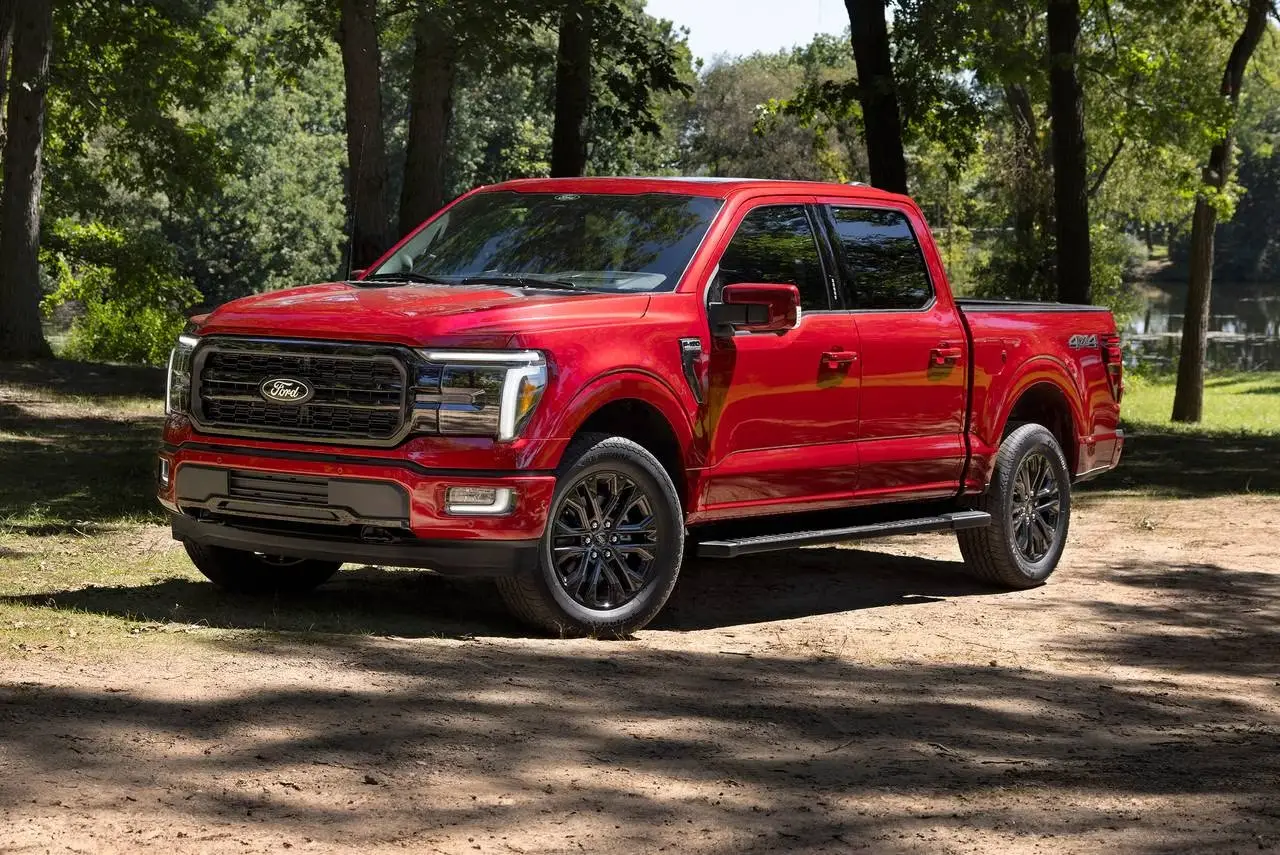
It delivers unmatched power and safety for heavy work in the trades or long winter drives on icy highways.
But to drive this truck (or any other vehicle) off a Canadian dealership lot without putting money down, you need a solid financial strategy.
This is exactly where Canada’s “Big Five” banks (Scotiabank, TD, RBC, BMO, and CIBC), specialized non-prime lenders, and certified digital dealerships step in.
Canada has an incredibly secure and integrated automotive ecosystem. You choose the car, apply for pre-qualification online, and sign a contract with competitive rates and clear, regulated disclosure terms.
But how do these lenders release tens of thousands of dollars without demanding a down payment?
Why Do Lenders Approve Cars With No Down Payment?
The answer lies in market intelligence, high vehicle resale values, and strong Canadian legal security.
When you secure a Zero Down auto loan, the vehicle itself acts as collateral. In your province, this is legally registered as a Lien.
Because institutions know exactly how an F-150 depreciates in the Canadian market, they can take on the risk with confidence.
Furthermore, for qualified buyers, Canadian lenders frequently finance up to 120% (or more) of the vehicle’s value.
What does this actually mean for your wallet?
It means the lender covers the sticker price of the vehicle (100%) and rolls your provincial taxes (like the 13% HST in Ontario or GST/PST in BC) and licensing fees directly into the loan.
You pay nothing out of pocket on delivery day.
However, to help you make the smartest decision for your wallet, our mission is complete transparency.
What You Need to Know Before Financing 100% (Watch the APR and Terms)
Financing without a down payment is a popular way to keep your cash invested in a TFSA or saved for emergencies.
But with no money down, your total Loan Amount will naturally be higher. You must be strategic and watch these key metrics:
- The APR (Annual Percentage Rate): This is the true annual cost of your loan. By law, it includes both the interest rate and mandatory administrative fees.
- The Power of Bi-Weekly Payments: This is the ultimate financial strategy in the Canadian market. Instead of one large monthly payment, choose to pay bi-weekly, aligning with your paycheque. You will make 26 half-payments a year (the equivalent of 13 full monthly payments), which pays down the principal faster and saves you thousands in interest.
- Long vs. Short Terms: Canadian lenders offer extended terms up to 84 or 96 months. Long terms significantly lower your payment’s impact on your budget. However, the longer the term, the more total interest you pay. Aim for a comfortable balance (between 60 and 72 months).
- Using Your Trade-in as Leverage: If you already own a vehicle, use it as a trade-in. The dealership appraises your current car and uses its equity as your “down payment,” reducing the taxes you pay in most provinces, since you are generally only taxed on the price difference.
If you are ready to make a safe and smart move, here is what to do next.
Step-by-Step: How to Safely Run Your Pre-Qualification in Canada

Buying a car in Canada has become simple, digital, and stress-free. Follow these three fundamental steps:
1. Get Pre-Qualified Online
The golden rule is: never walk into a dealership without knowing your estimated buying power. Access a trusted credit platform and submit an initial application with your income details. Many platforms start with a Soft Pull to estimate your options without impacting your credit score.
2. Review Your O.A.C. Terms and Choose the Vehicle
Once your application is processed and verified (which requires a standard credit check with your consent), you will receive your official terms O.A.C. (On Approved Credit). You will know your exact financial limit, your APR, and your bi-weekly or monthly payment. With this data, you have the negotiating confidence of a cash buyer.
3. Sign the Bill of Sale and Get Home Delivery
After finding the perfect truck, the dealership sends the Bill of Sale to the lender to finalize the funds. Once approved, you sign the paperwork digitally. Today, many major platforms in Canada will deliver the fully detailed car right to your driveway.
It is time to discover your true buying power in the Canadian automotive market.
Click the button below, run your free assessment, and see your Zero Down credit options today.
Frequently Asked Questions (FAQ)
Do you still have questions before applying for your auto loan? We answer the top questions from Canadian consumers:
What is the minimum credit score for a Zero Down approval?
In practice, a score above 650 (on Equifax or TransUnion) opens the doors to faster approvals, zero down requirements (O.A.C.), and the most competitive market rates, known as Prime rates.
What happens if I have Bad Credit?
Life happens. If you have faced unexpected events, completed a Consumer Proposal, or have a lower score (under 600), specialized Canadian subprime lenders and non-prime auto finance divisions offer Credit Rebuilding loans. The initial APR will be higher to offset the risk, but by making strict on-time payments for 12 to 24 months, your credit score can improve, often allowing you to refinance the vehicle at lower rates later on.
Do I have to pay the Taxes (HST/PST/GST) out of pocket?
Not necessarily. In a Zero Down Payment structure (O.A.C.), the lender approves extra room (often up to 120% of the MSRP or market value) precisely to absorb provincial/federal taxes and registration fees (like ServiceOntario or ICBC) so you do not have to pay cash upfront.
Is it worth including GAP Insurance in the loan?
Yes, it is worth considering. GAP (Guaranteed Asset Protection) covers the difference between what your car is worth (actual cash value) and what you still owe the bank if the vehicle is deemed a total loss in an accident. Because you are financing 100% of the vehicle with no money down, rolling GAP into your payments helps protect you from being left with negative equity.
When you click, you will be redirected

 TD Auto Loan Guide <p class='sec-title' style='line-height: normal; font-weight: normal;font-size: 16px !important; text-align: left;margin-top: 8px;margin-bottom: 0px !important;'> Explore a straightforward approach to vehicle financing in Canada with TD, from understanding your options to preparing your application. </p>
 Scotiabank Auto Finance Review <p class='sec-title' style='line-height: normal; font-weight: normal;font-size: 16px !important; text-align: left;margin-top: 8px;margin-bottom: 0px !important;'> Learn how Scotiabank Auto Finance works in Canada, what to prepare before applying, and the key steps to financing your vehicle. </p>
 Hyundai Auto Loan Guide Review <p class='sec-title' style='line-height: normal; font-weight: normal;font-size: 16px !important; text-align: left;margin-top: 8px;margin-bottom: 0px !important;'> Explore Hyundai financing and leasing in Canada, compare contract options and prepare a smarter budget for your next vehicle. </p>