



Personal finance in the United States can feel overwhelming for beginners due to complex systems involving credit, taxes, debt, and investing, yet mastering the basics is essential for long-term stability. Without guidance, many Americans learn through costly trial and error.
This article serves as a beginner’s guide to personal finance, explaining foundational concepts and practical steps that help individuals gain control, build confidence, and make informed financial decisions from the start.
Understanding Income And Cash Flow
Personal finance begins with a mastery of your cash flow—the actual, real-time movement of money into and out of your accounts—as this dynamic determines whether your long-term goals of saving and investing are even possible. By meticulously tracking your income and expenses over a three-month period, you reveal the hidden spending patterns that quietely influence your financial outcomes, allowing you to make early, data-driven corrections before small leaks become major problems. This level of clarity acts as a protective shield, preventing accidental overspending and reducing the dangerous reliance on credit to bridge the gap between paychecks.
Building A Budget That Works
A budget is far more than a restrictive list of rules; it is a strategic planning tool that allows you to assign a specific purpose to every dollar before it is spent, effectively eliminating uncertainty and the urge for impulsive decisions. In today’s economy, a successful budget must be prioritized as a “pay-yourself-first” system, ensuring that essentials, automated savings, and high-interest debt payments are fully funded before any discretionary spending occurs. However, the most effective budgets in 2026 are not set in stone but are designed with built-in flexibility to adapt to changing life circumstances or market shifts.
Understanding Credit And Debt
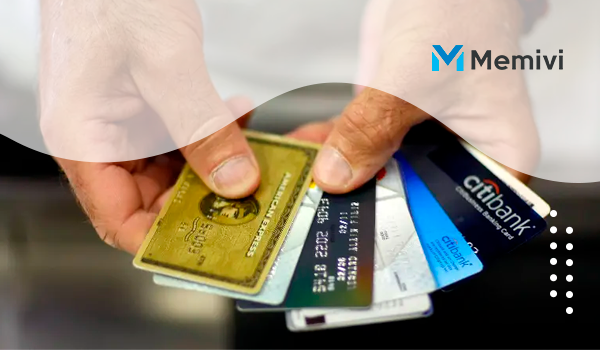
In the United States, credit is not merely a tool for borrowing; it is a central pillar of your financial identity that dictates your access to modern life. Beyond influencing the interest rates you pay on loans, your credit profile is routinely screened by landlords, insurance companies, and even potential employers to gauge your reliability. Using credit responsibly—by maintaining low balances and never missing a payment—builds a “financial reputation” that unlocks lower costs and greater opportunities over time. Conversely, high-interest debt, particularly from credit cards, can quickly become an anchor that stalls your progress. To avoid long-term strain, it is essential to look past the monthly minimum and understand the true cost of interest and the specifics of your repayment terms. This clarity is your best defense against expensive mistakes that can take years to correct.
Saving And Emergency Planning
ShutterstockSaving is often described as the “shock absorber” of a healthy financial life. Its primary purpose is to provide a buffer against the inevitable unexpected expenses—such as a sudden car repair or a medical bill—that would otherwise force you back into high-interest debt. Emergency funds are foundational because they transform a potential crisis into a mere inconvenience, drastically reducing chronic financial stress. When building this protection, consistency matters far more than the total amount; the habit of setting aside a portion of every paycheck is what builds the safety net, not the occasional large deposit.
Introduction To Investing And Retirement
Getty ImagesWhile saving is about protection, investing is about growth and the preservation of your future purchasing power. Because inflation acts as a silent tax that erodes the value of cash over time, investing in assets like stocks or bonds is essential for reaching long-term goals. For beginners, the most effective entry point is through retirement accounts, which offer powerful tax advantages—such as tax-deductible contributions or tax-free growth—that should be understood and utilized as early as possible. You don’t need a fortune to begin; the most meaningful results come from the power of compounding, which rewards those who start small and remain consistent over decades. By prioritizing these accounts early, you ensure that your money is working as hard for you as you are for it.

 How to Turn Small Amounts of Money Into Serious Wealth Over Time <p class='sec-title' style='line-height: normal; font-weight: normal;font-size: 16px !important; text-align: left;margin-top: 8px;margin-bottom: 0px !important;'> Discover how consistent investing, disciplined saving habits, and smart financial decisions can transform even small amounts of money. </p>
  The Hidden Rules of Money That Wealthy People Use to Stay Financially Ahead <p class='sec-title' style='line-height: normal; font-weight: normal;font-size: 16px !important; text-align: left;margin-top: 8px;margin-bottom: 0px !important;'> Learn the unwritten financial principles that successful individuals follow to maintain wealth, optimize investments. </p>
  Why Most People Stay Broke and How Smart Investors Quietly Build Wealth <p class='sec-title' style='line-height: normal; font-weight: normal;font-size: 16px !important; text-align: left;margin-top: 8px;margin-bottom: 0px !important;'> Discover the real reasons behind financial stagnation and learn strategies used by disciplined investors to consistently grow wealth. </p>