


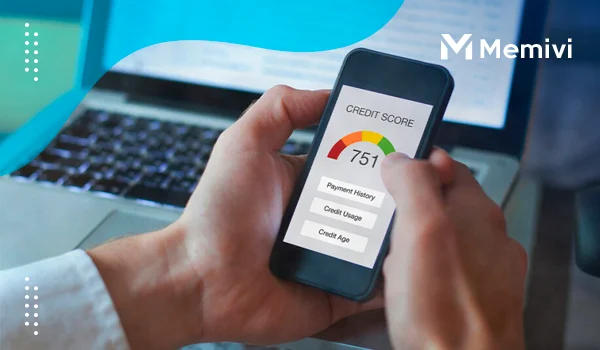
While the majority of Americans understand the importance of making on-time payments, a significant number of consumers inadvertently stall their financial progress by overlooking their credit utilization ratio. As we navigate the economic environment of 2026, lenders are placing an even higher premium on how much of your available credit you are actively using, viewing it as a real-time indicator of financial stability.
This single metric—the second most influential factor in your score—can often be the missing piece of the puzzle for those who have a perfect payment history but struggle to move their score into the “excellent” range. This article demystifies the mechanics of utilization, explaining how a strategic approach to managing your balances can unlock faster, more consistent gains in your creditworthiness.
What Credit Utilization Means
At its core, credit utilization is a numerical snapshot that measures your outstanding revolving balances against your total available credit limits. Lenders use this percentage to gauge your level of risk; a high utilization rate signals to banks that you may be overextended or overly reliant on credit to fund your lifestyle, even if you have never missed a payment. This is why understanding the metric is essential for optimization: even responsible borrowers who use their cards for large monthly purchases can be unfairly penalized if those high balances are captured on their credit reports. By treating your credit limit as a “safety ceiling” rather than a spending target, you align your habits with the algorithms that determine your financial reputation.
Why High Utilization Hurts Scores
The reason high utilization has such a profound impact on your score is rooted in statistical risk; data shows that borrowers who consistently carry high balances are significantly more likely to default on their obligations if their income is interrupted. Consequently, credit scoring models are programmed to interpret high balances as a sign of financial strain, causing your score to drop immediately when your usage spikes. This effect often catches consumers by surprise, especially those who pay their statement in full every month but do so after the balance has already been reported to the bureaus. Recognizing that your score reflects a “point-in-time” snapshot of your debt—not just your intent to pay it—is the key to shifting your strategy and protecting your score from unexpected dings.
Optimal Utilization Levels
Credit utilization—the ratio of your outstanding credit card balances to your total available credit limits—is one of the most powerful levers in determining your credit score, typically accounting for about 30% of the total calculation. To master this, the timing of your payments is just as important as the amount; since most issuers report your balance on your statement closing date rather than your due date, paying your balance a few days before the statement close ensures that a low utilization rate is reported to the credit bureaus. This proactive timing influences your score far more favorably than waiting for the official due date, effectively “hiding” your spending from the credit reporting models.
Practical Ways To Lower Utilization
If you find your utilization creeping higher, the fastest remedy is making targeted, mid-cycle payments to reduce your balances before the next reporting period. For those with significant debt, the “15/3 rule”—making one payment 15 days before your statement date and another 3 days before—can be highly effective at keeping reported balances artificially low. During this payoff phase, it is vital to avoid any new charges on the card, as fresh spending can quickly offset your progress and prevent your utilization from dropping. Another strategic move is to request a credit limit increase on your existing accounts.
Maintaining Long-Term Credit Control
Sustainable credit health requires transitioning from a reactive to an intentional mindset regarding your revolving accounts. By monitoring your balances regularly through financial tracking apps or banking alerts, you can prevent accidental spending spikes that might damage your score right before you apply for a major loan. Many successful credit users find that simplifying their management—using only one or two primary cards rather than juggling dozens—makes it easier to keep track of reporting dates and avoid missed payments. This intentional approach ensures that your credit remains a tool for building wealth rather than a source of financial stress, supporting a long-term trajectory of high scores and access to the best available interest rates.

 How To Reduce Monthly Expenses Without Sacrificing Quality Of Life <p class='sec-title' style='line-height: normal; font-weight: normal;font-size: 16px !important; text-align: left;margin-top: 8px;margin-bottom: 0px !important;'> This article explains how Americans can reduce monthly expenses strategically, maintain comfort and improve financial stability. </p>
  Financial Planning For Young Adults In The U.S. Where To Start <p class='sec-title' style='line-height: normal; font-weight: normal;font-size: 16px !important; text-align: left;margin-top: 8px;margin-bottom: 0px !important;'> This article explains how young adults in the United States can begin financial planning effectively and avoid common mistakes. </p>
  Side Hustles In The United States Legal Ways To Increase Your Income <p class='sec-title' style='line-height: normal; font-weight: normal;font-size: 16px !important; text-align: left;margin-top: 8px;margin-bottom: 0px !important;'> This article explains legal and practical side hustle options available in the United States, helping Americans increase income. </p>