



For a long time, having a stable job with a consistent paycheck was considered the safest path to financial security. This model shaped how people planned their careers, managed their finances, and defined success. However, the economic landscape has changed significantly, and what once provided stability is no longer as reliable as it used to be. Today, depending on a single income source can expose individuals to risks that are often underestimated.
Understanding this shift is essential for building a more secure financial future. The modern economy is more dynamic, influenced by technological changes, market fluctuations, and evolving work structures. As a result, relying entirely on one source of income can create vulnerability, making it necessary to rethink how financial stability is built and maintained over time.
Why A Single Income Source Creates Financial Vulnerability
Relying on one income source concentrates all financial stability into a single point of failure, which increases risk significantly in an unpredictable environment. If that source is disrupted due to job loss, reduced hours, industry changes, or economic downturns, the impact is immediate and often difficult to manage without preparation.
This vulnerability becomes even more critical when there are fixed financial obligations such as rent, loans, or daily living expenses that depend entirely on that income. Without alternative sources or financial buffers, even a temporary disruption can lead to serious financial stress and long-term consequences.
Recognizing this risk is the first step toward building a more resilient financial structure that does not depend entirely on one variable.
The Changing Nature Of Work And Income Stability
The traditional concept of job security has evolved as companies adapt to new technologies, global competition, and changing market demands. Long-term employment is no longer guaranteed in many industries, and even well-established careers can face sudden changes.
At the same time, new forms of work such as freelancing, remote roles, and project-based opportunities have become more common. While these options offer flexibility, they also require individuals to take greater responsibility for managing their income and financial planning.
This shift means that stability is no longer defined by having one job, but by the ability to adapt and maintain income through different channels.
The Importance Of Income Diversification
Diversifying income is one of the most effective ways to reduce financial risk in today’s environment. By creating multiple sources of income, individuals reduce their dependence on a single employer or revenue stream, which increases overall financial security.
This diversification can take different forms, such as side projects, freelance work, investments, or digital income opportunities. Even small additional income streams can make a meaningful difference by providing support during periods of uncertainty.
Over time, diversified income creates a more balanced financial structure, allowing for greater flexibility and resilience in the face of unexpected changes.
Building Financial Flexibility And Resilience
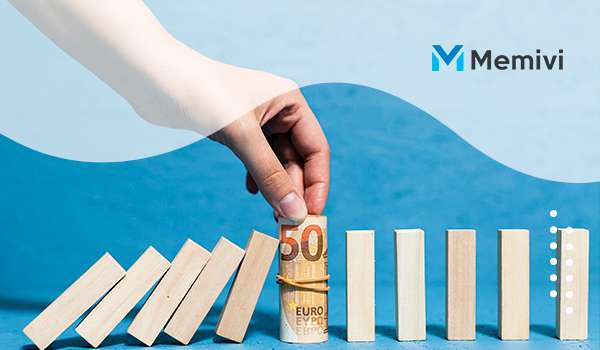
Financial resilience goes beyond income diversification and includes the ability to adapt to changing circumstances without major disruption. This involves maintaining an emergency fund, controlling expenses, and developing skills that can generate income in different situations.
Flexibility also means being open to new opportunities and adjusting financial strategies as needed. In a rapidly changing environment, the ability to respond quickly is just as important as having a stable income.
Developing this mindset allows individuals to navigate uncertainty more effectively and maintain control over their financial situation even during challenging periods.
How To Start Reducing Your Financial Risk
Reducing the risk of relying on a single income source begins with awareness and gradual action. The first step is evaluating your current financial situation and identifying how dependent you are on one source of income. This clarity helps define the level of risk involved.
From there, it is possible to start building additional income streams, even on a small scale. At the same time, creating financial reserves and managing expenses more efficiently can provide immediate protection against unexpected disruptions.
Consistency is key in this process. Small actions, when maintained over time, can significantly improve financial security and reduce vulnerability.
Conclusion
Relying on a single income source is becoming increasingly risky in a world where economic conditions and job structures are constantly evolving. What once provided stability can now create vulnerability, especially when unexpected changes occur without warning.
By understanding these risks and taking proactive steps to diversify income and build financial resilience, individuals can create a more secure and adaptable financial future. This approach shifts the focus from dependence to control, allowing for greater confidence in managing uncertainty.
Financial security today is no longer about relying on one source, but about building a system that can withstand change. With the right strategies and mindset, it is possible to reduce risk and create a more stable and sustainable financial life.

 How Borrowing Money Became Emotionally Normal In Modern America <p class='sec-title' style='line-height: normal; font-weight: normal;font-size: 16px !important; text-align: left;margin-top: 8px;margin-bottom: 0px !important;'> Borrowing money became emotionally normal as debt, social media and easy credit reshaped modern American life. </p>
  The Invisible Debt Lifestyle Most People Don’t Realize They’re Living <p class='sec-title' style='line-height: normal; font-weight: normal;font-size: 16px !important; text-align: left;margin-top: 8px;margin-bottom: 0px !important;'> Modern financial culture normalized hidden debt so deeply that millions of Americans no longer recognize how dependent their lives became. </p>
  Why Millions Of Americans Feel Owned By Their Credit Cards Instead Of Empowered <p class='sec-title' style='line-height: normal; font-weight: normal;font-size: 16px !important; text-align: left;margin-top: 8px;margin-bottom: 0px !important;'> Millions of Americans feel trapped by credit card debt, rising interest, and constant financial pressure. </p>