


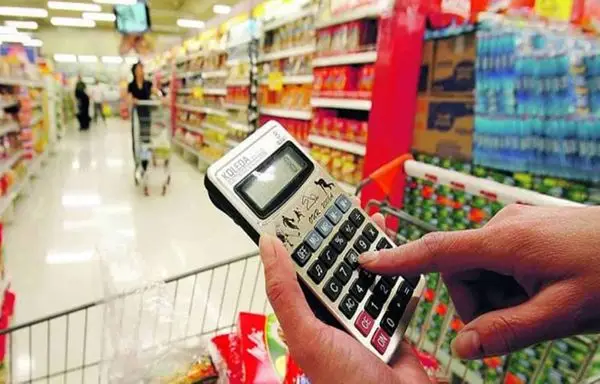
Groceries are one of the most noticeable recurring expenses in an American household because the bill arrives every week. When the same cart seems to cost more than it used to, many families respond by trying to buy fewer items. But reducing the amount of food you bring home is not the only way to lower the total.
The better approach is to understand what is driving your grocery spending. Brand choices, package sizes, prepared foods, unused ingredients, impulse purchases, delivery fees, and shopping frequency can all affect the final bill. By changing how you shop rather than simply buying less, you can potentially reduce costs while continuing to purchase enough food for your household.
Start Tracking the Cost Per Meal
A grocery receipt tells you how much you spent, but it does not tell you how efficiently that food will be used.
A $150 grocery trip that provides meals for several days can be more economical than a $100 trip followed by multiple restaurant orders because the household runs out of useful ingredients.
Start thinking about cost per meal rather than only cost per shopping trip. Build your grocery list around complete breakfasts, lunches, dinners, and snacks so that the food you purchase has a clear purpose.
Shop With a Meal Plan
Walking into a supermarket without a plan makes it easier to buy individual ingredients that do not combine into complete meals.
Before shopping, decide what your household will eat for the next several days. Then check your refrigerator, freezer, and pantry to identify what you already have.
Build the list around missing ingredients rather than starting from zero every week. This reduces duplicate purchases and helps older food get used before it expires.
Check What You Already Own
One of the simplest ways to spend less at the grocery store is to shop your kitchen first.
Many households have frozen meat, vegetables, pasta, rice, canned goods, sauces, and other ingredients that remain untouched while new groceries continue arriving.
Once or twice each month, create meals primarily from existing food. You may need to purchase a few fresh ingredients, but using what is already available can reduce the size of that week’s grocery trip.
Food Waste Is Part of Your Grocery Bill
Throwing away food is financially similar to throwing away part of your grocery budget.
Suppose your household spends $800 per month on groceries and regularly discards produce, leftovers, and expired products. Even a relatively small percentage of waste can represent hundreds of dollars over a year.
Pay attention to what repeatedly ends up in the trash. If your family consistently wastes salad greens, large packages of fruit, or certain leftovers, buying smaller quantities may actually be more economical even when the unit price is slightly higher.
Compare Unit Prices, Not Just Package Prices
The cheapest package on the shelf is not always the cheapest product.
Stores often display a unit price showing the cost per ounce, pound, count, or another standardized measurement. This makes different package sizes easier to compare.
For example, a larger package may cost $8 while a smaller one costs $5. The larger package could provide better value per ounce, but only if you will actually use the additional food before it goes bad.
Store Brands Can Reduce the Cost of Staples
National brands can cost more than store-brand alternatives, even when the products serve essentially the same purpose in your household.
You do not need to replace every favorite product. Start with basic items such as flour, sugar, rice, pasta, canned vegetables, frozen foods, cleaning products, or other staples where brand differences may matter less to you.
If a store-brand version works well, keep buying it. Saving $1 or $2 across many products can produce a meaningful reduction in the total receipt.
Convenience Foods Come With a Price
Pre-cut fruit, prepared vegetables, individually packaged snacks, ready-to-eat meals, and other convenience products can save time. That convenience can also cost more.
The right comparison includes both money and time. A busy parent may reasonably decide that some prepared foods prevent expensive takeout orders during the week.
Instead of eliminating convenience completely, choose where it provides real value. Preparing easy items yourself while paying for convenience where it genuinely saves time can create a better balance.
Buying in Bulk Only Works When You Use Everything
Warehouse clubs and bulk packages can provide attractive unit prices, but a large package is not automatically a bargain.
Buying 12 pounds of something your household cannot finish before it spoils converts a low unit price into expensive waste.
Bulk purchasing tends to work better for products you consume consistently, especially shelf-stable items and household essentials. Before buying, ask how long the product lasts and whether your family normally uses that quantity.
Grocery Delivery Can Increase the Real Cost
Online grocery ordering and delivery can be convenient, particularly for busy households. But the final price can include delivery charges, service fees, tips, membership costs, or product pricing differences depending on the service.
At the same time, ordering online may help some people avoid impulse purchases because they are not walking through store aisles.
Compare the complete cost and your actual behavior. Paying a modest delivery cost might still make sense if it prevents a larger amount of unplanned spending, while frequent small deliveries can quickly become expensive.
Shopping Too Often Can Create More Impulse Purchases
Every additional trip to the grocery store creates another opportunity to add items that were not planned.
You may enter for milk and bread and leave with snacks, drinks, household products, and a prepared meal. Repeating that pattern several times per week can substantially increase monthly spending.
Try consolidating shopping into fewer planned trips when practical. Keep a running list during the week so that forgotten items do not constantly send you back to the store.
Compare Stores Strategically

The closest supermarket may not offer the best prices on everything, but driving to four different stores every week may waste both time and fuel.
Identify which stores tend to provide good value for the categories you buy most often. One might be better for produce, another for pantry staples, and another for occasional bulk purchases.
You do not need to chase every discount. Focus on the differences large enough to matter to your overall budget.
Use Sales to Change Timing, Not Increase Consumption
A sale only saves money when it reduces the cost of something you were likely to buy anyway.
“Buy two, get one free” can increase spending if you originally needed only one item. Likewise, a discount on a product your household rarely uses is not automatically a financial opportunity.
Sales are particularly useful for frequently purchased shelf-stable or freezable products. Stocking up at a lower price can work when you know the items will be used and the purchase fits your current budget.
Loyalty Programs and Coupons Need a Strategy
Store loyalty programs and digital coupons can lower grocery costs, but they can also encourage customers to focus on promotions rather than the total bill.
Before adding an item because it has a coupon, ask whether you would purchase it without the discount. Spending $4 on something unnecessary does not become saving simply because the original price was $6.
Use discounts to reduce the price of planned purchases. Your grocery list should guide the coupons, not the other way around.
Reduce the Cost of Protein
Meat and other protein sources can represent a significant part of the grocery budget for many households.
Compare different cuts and forms of protein based on price, nutrition, preparation time, and your household’s preferences. Eggs, beans, lentils, certain frozen products, and other alternatives may help diversify meals at a lower cost than relying on expensive cuts every day.
This does not require removing meat entirely. Even replacing one or two higher-cost meals each week with lower-cost alternatives can reduce monthly spending.
Keep a Few Low-Cost Backup Meals at Home
One reason grocery budgets turn into restaurant budgets is that households run out of quick meal options.
Keep ingredients for several simple meals that can be prepared when plans change. Pasta, rice, frozen vegetables, eggs, canned ingredients, or other foods your household actually eats can provide useful backups.
A $10 or $15 meal prepared at home can be significantly less expensive than an unplanned delivery order for multiple people. Convenience at home can protect both your grocery and restaurant budgets.
Give Your Grocery Budget a Realistic Target
Setting an unrealistically low grocery budget can backfire. You may spend less at the supermarket but compensate with more restaurant meals and takeout.
Review several months of actual grocery spending and identify an achievable reduction. If you normally spend $1,000 per month, targeting $900 may be more sustainable than suddenly demanding that the household survive on $500.
Track groceries and dining out separately but evaluate them together. Saving $150 on groceries while spending $250 more on restaurants does not improve the household food budget.
Make Every Grocery Dollar Buy More
Lowering your grocery bill does not have to mean bringing home less food or sacrificing every product you enjoy. The biggest opportunities often come from planning meals, reducing waste, comparing unit prices, using store brands selectively, and controlling impulse purchases.
Start with your receipts and kitchen rather than a restrictive shopping rule. Identify the products you waste, the purchases you make without planning, and the convenience expenses that provide little value.
Then make small changes you can repeat every week. Saving $20 or $30 on a grocery trip may not seem dramatic, but repeated consistently throughout the year, those savings can become a meaningful amount of money available for emergency savings, debt repayment, investing, or other financial goals.

 Financial Checkup: 10 Money Numbers You Should Know Right Now <p class='sec-title' style='line-height: normal; font-weight: normal;font-size: 16px !important; text-align: left;margin-top: 8px;margin-bottom: 0px !important;'> Review 10 essential financial numbers, including income, spending, emergency savings, debt, credit, retirement, savings rate, and net worth. </p>
  Should You Take Higher Pay With Worse Benefits? Compare First <p class='sec-title' style='line-height: normal; font-weight: normal;font-size: 16px !important; text-align: left;margin-top: 8px;margin-bottom: 0px !important;'> Should you take a higher-paying job with worse benefits? Learn how to compare salary, health insurance and total compensation. </p>
  Are You Saving Too Much Cash? When the Bank Holds You Back <p class='sec-title' style='line-height: normal; font-weight: normal;font-size: 16px !important; text-align: left;margin-top: 8px;margin-bottom: 0px !important;'> Learn how to balance emergency savings, short-term goals, debt repayment, inflation risk, and long-term investing. </p>