



In modern society, convenience has become an essential part of everyday life. From food delivery apps to subscription services, many people rely on solutions that save time but increase the cost of convenience in their daily spending.
While these services can improve comfort and efficiency, they can also quietly affect long-term financial stability. Recognizing how convenience spending accumulates over time helps individuals maintain better control over their finances.
How Convenience Became a Daily Habit
The cost of convenience has grown as technology has made services faster and more accessible. Mobile apps now allow people to order meals, schedule transportation, and purchase products within minutes.
Services like food delivery, ride-sharing, and online shopping have become integrated into everyday routines. These tools reduce effort and save time, but they often add additional service fees and higher product prices.
Over time, these small additional costs can become a regular part of monthly spending. Many consumers adopt convenience habits without fully noticing how much they spend on them each month.
Hidden Costs Behind Convenience Services
The cost of convenience often includes fees that are not immediately obvious. Delivery charges, service fees, and platform commissions increase the final price of many products and services. For example, ordering food through delivery apps can cost significantly more than picking up the same meal in person. Taxes, delivery fees, and tips can increase the total bill by a noticeable margin. Subscription services also contribute to convenience spending. Streaming platforms, software subscriptions, and membership services may seem inexpensive individually but can accumulate quickly when combined.
Practical Strategies to Control Convenience Spending
Managing the cost of convenience requires awareness and intentional spending habits. One effective strategy is reviewing monthly bank and credit card statements to identify recurring convenience expenses. Setting a monthly limit for discretionary spending can also help maintain balance. Allocating a specific amount for convenience services allows individuals to enjoy them without harming their financial goals. Another helpful approach is distinguishing between true convenience and unnecessary spending. Some services may provide real value, while others simply become habits that increase expenses.
Common Mistakes With Convenience Spending
One common mistake is assuming that small purchases have little financial impact. Frequent small transactions, however, can accumulate into significant monthly expenses.
Another issue is forgetting about automatic subscriptions. Many consumers sign up for services and rarely revisit them, leading to ongoing charges for products they no longer use. People also often justify convenience purchases due to busy schedules. While time-saving services can be valuable, relying on them too frequently can weaken long-term financial discipline.
The Future of Convenience and Consumer Spending
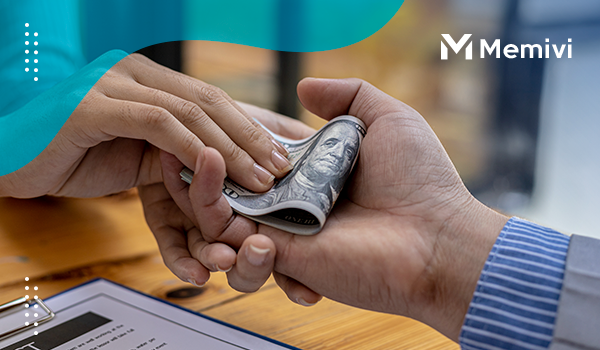
The cost of convenience will likely continue to rise as new services and technologies become available. Digital platforms will keep expanding options that prioritize speed and ease of access.
At the same time, consumers are becoming more aware of how convenience affects their finances. Financial awareness and budgeting tools are helping individuals better track their spending habits.
Understanding these trends allows consumers to balance comfort and financial responsibility. Smart spending decisions help maintain convenience without compromising long-term financial stability.
Finding Balance Between Convenience and Financial Responsibility
Convenience services have transformed the way people manage their daily lives. They provide speed, flexibility, and efficiency, but they also introduce new spending habits that can slowly affect long-term financial health.
Understanding the real cost of convenience helps individuals evaluate whether certain services truly add value or simply increase unnecessary expenses. Developing awareness of these patterns allows people to make more intentional financial decisions.
When used strategically, convenience services can support productivity and quality of life without harming personal finances. The key is maintaining balance, setting limits, and regularly reviewing spending habits.

 What No One Tells You About Investing and How to Avoid Costly Mistakes <p class='sec-title' style='line-height: normal; font-weight: normal;font-size: 16px !important; text-align: left;margin-top: 8px;margin-bottom: 0px !important;'> Understand the hidden risks about investing while learning how to make smarter financial decisions, avoid common pitfalls. </p>
  How to Turn Small Amounts of Money Into Serious Wealth Over Time <p class='sec-title' style='line-height: normal; font-weight: normal;font-size: 16px !important; text-align: left;margin-top: 8px;margin-bottom: 0px !important;'> Discover how consistent investing, disciplined saving habits, and smart financial decisions can transform even small amounts of money. </p>
  The Hidden Rules of Money That Wealthy People Use to Stay Financially Ahead <p class='sec-title' style='line-height: normal; font-weight: normal;font-size: 16px !important; text-align: left;margin-top: 8px;margin-bottom: 0px !important;'> Learn the unwritten financial principles that successful individuals follow to maintain wealth, optimize investments. </p>